August 17, 2026
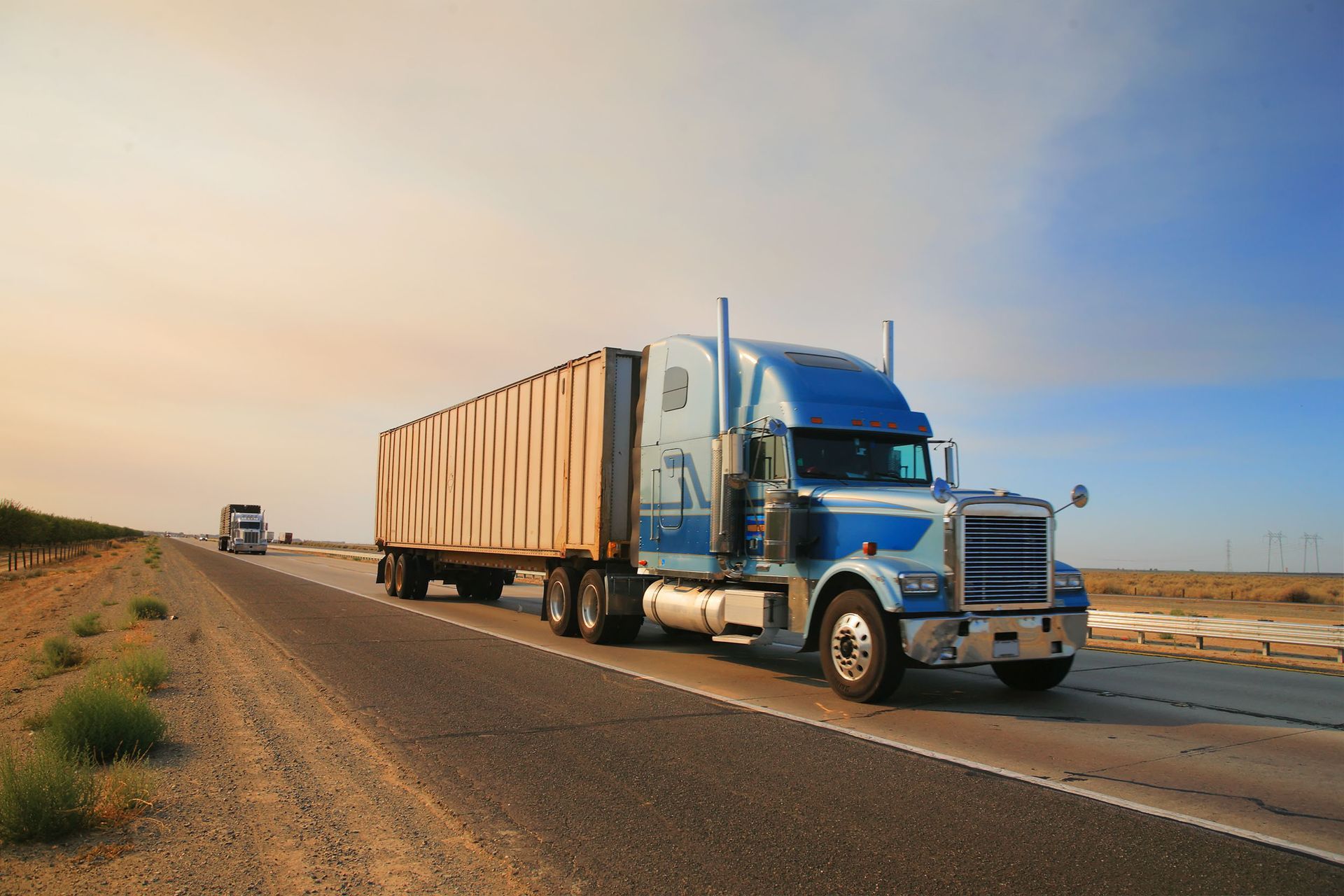
When a heavy-duty commercial vehicle encounters trouble along a busy highway, every minute spent stranded on the shoulder carries significant operational risks. Commercial haulers rely on prompt roadside assistance to address unexpected mechanical issues, keep freight moving, and prevent costly logistical delays. While minor mechanical adjustments or quick fixes occasionally get a driver back on the interstate, there are countless scenarios where on-site repairs are simply not possible. In these moments, truck towing steps in as the primary mechanism that keeps supply chains moving and keeps major thoroughfares clear. Transporting a compromised vehicle to a dedicated facility ensures proper repairs, protects surrounding drivers, and minimizes long-term damage to valuable commercial assets.
Understanding Essential Safety for Disabled Commercial Fleets
Operating a massive commercial rig requires strict adherence to vehicle safety standards, especially when an unexpected failure leaves a tractor-trailer stranded on a busy shoulder. High-speed traffic creates a high-risk environment for stranded drivers and service crews alike. Comprehensive roadside assistance protocols prioritize moving disabled rigs away from narrow highway margins as quickly as possible. Professional towing operators utilize heavy recovery equipment designed to handle massive weight capacities, securing damaged or immobile trucks without causing secondary incidents. By safely clearing stranded commercial vehicles from active traffic lanes, towing operations play a vital role in reducing highway hazards and preserving overall road safety.
Minimizing Freight Delays and Logistical Disruptions
In the transport sector, tight delivery schedules mean that even minor disruptions can create cascading delays across an entire supply network. When a severe engine failure or structural malfunction occurs, waiting for extensive field repairs is rarely practical. Rapid towing response within a roadside assistance network provides a direct line to full-service repair facilities where diagnostic tools and replacement components are readily available. Towing the rig to a fully equipped shop enables technicians to tackle complex mechanical issues simultaneously under controlled conditions, drastically cutting down total downtime and helping logistics companies stay on schedule.
Utilizing Advanced Equipment Engineered for Heavy Loads
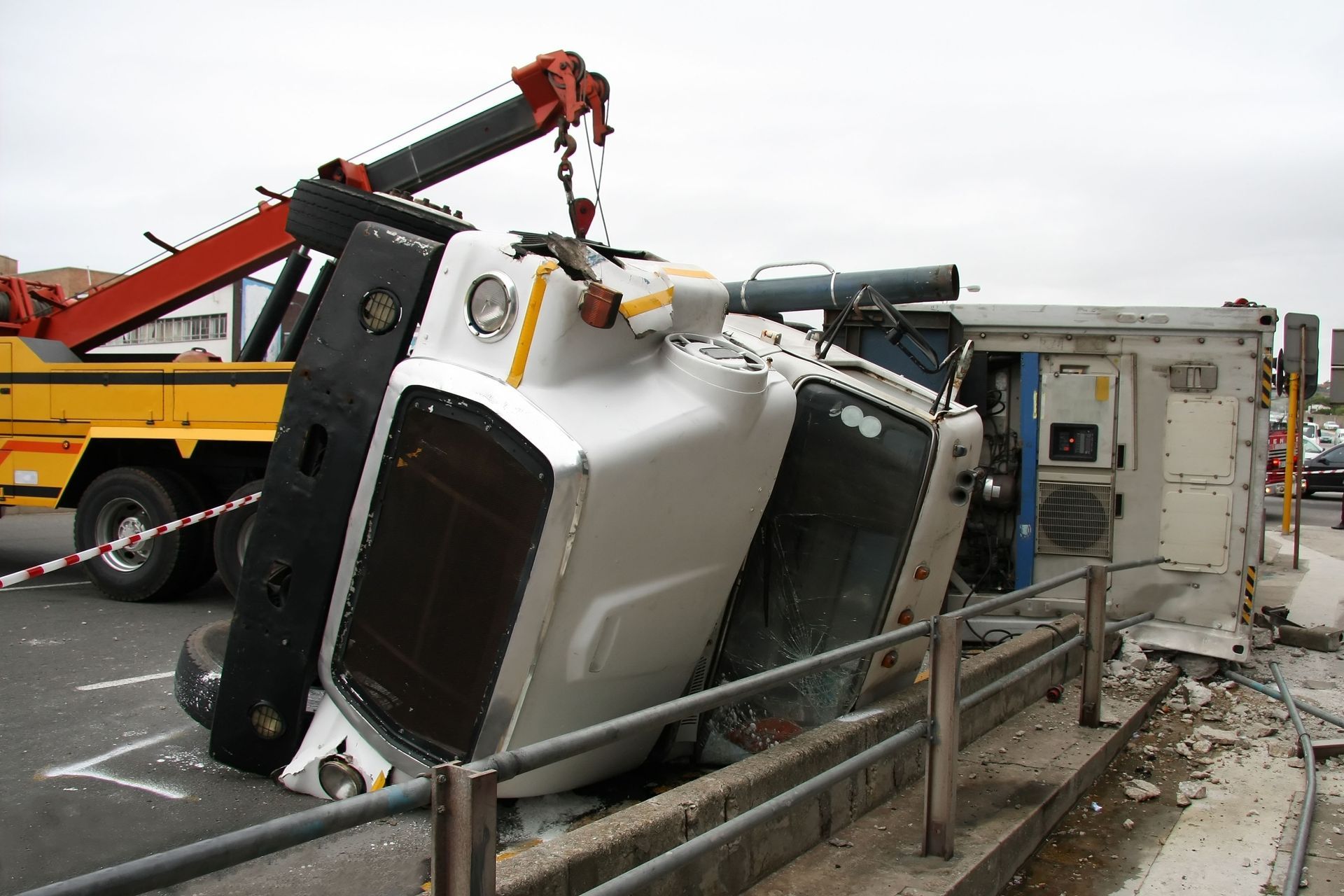
Modern commercial trucks possess intricate drivetrain configurations, heavy axles, and specialized air brake systems that require advanced equipment for safe transport. Modern roadside assistance providers rely on heavy recovery vehicles featuring hydraulic booms, high-capacity winches, and integrated wheel-lift systems. This purpose-built equipment allows service crews to manage oversized loads, jackknifed trailers, or overturned rigs without causing further structural damage. Utilizing properly rated machinery also minimizes hazards for surrounding traffic during complex recovery operations. Having access to heavy equipment capable of handling massive commercial vehicles ensures that even the most challenging transport failures are managed cleanly and efficiently.
Managing Complex Mechanical and Structural Failures
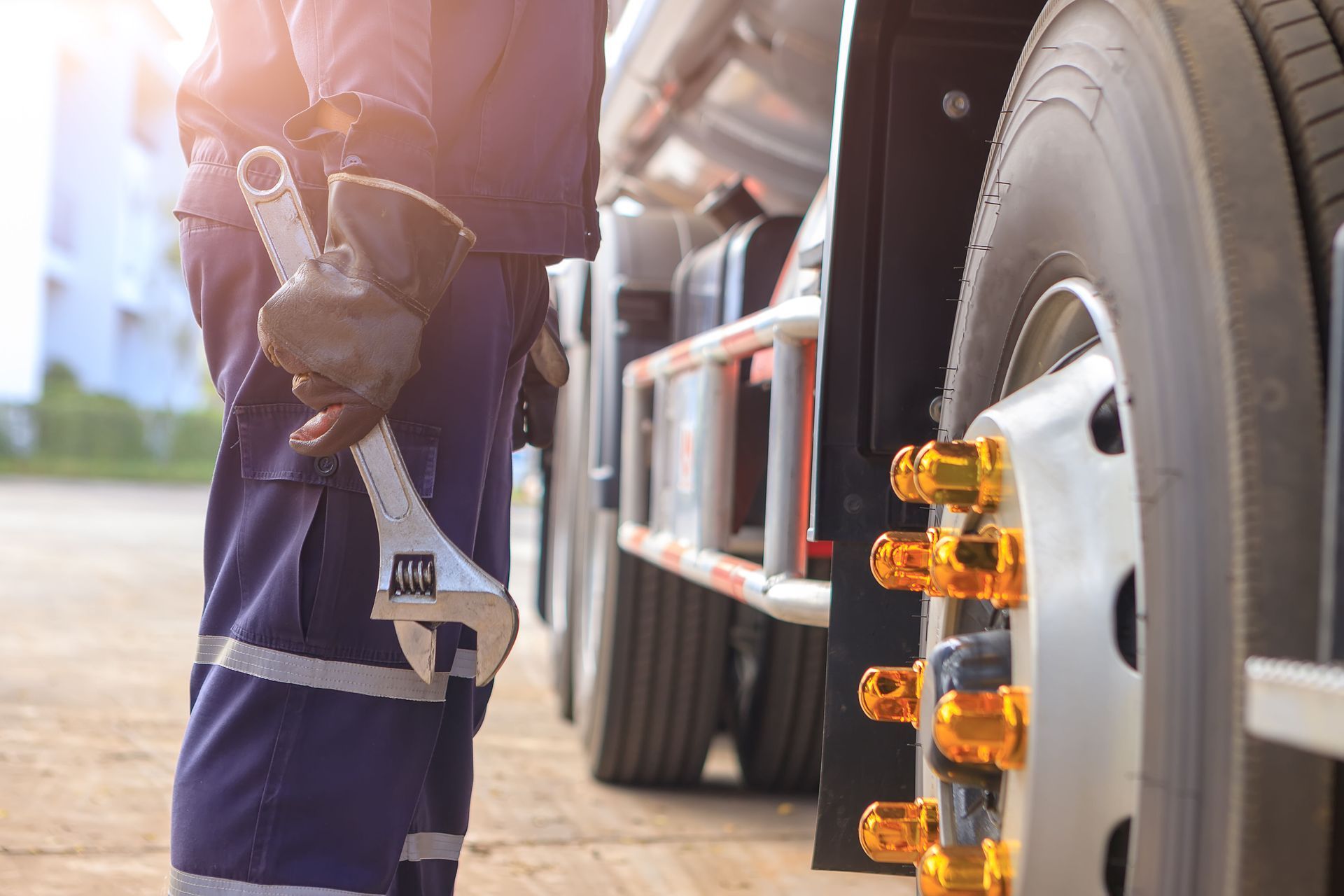
Not every roadside incident can be solved with a simple tire change or jump-start. Complex issues like transmission lockups, sheared axles, severe frame damage, or internal engine seizures require diagnostic capabilities and heavy machinery that mobile service vans simply cannot transport. Emergency roadside assistance networks rely on towing services to bridge the gap between initial breakdown and final repair. Transporting the vehicle to a dedicated facility gives technicians access to heavy-duty lifts, specialized machinery, and complete component inventories, ensuring comprehensive repairs that restore the vehicle to proper operating condition. This controlled shop environment also allows mechanics to conduct thorough multi-point inspections to identify any hidden structural or mechanical issues before the truck returns to the road.
Considering Economic Impact and Market Demands
The sheer volume of commercial shipping across national highways makes towing a major pillar of transport maintenance infrastructure. According to Mordor Intelligence, towing owned 29.72% of the vehicle roadside assistance market share in 2025 and remains indispensable when vehicles cannot restart on-site. This substantial market presence underscores how frequently commercial vehicles face issues that exceed the scope of quick roadside adjustments. Transporting immobile vehicles directly to professional repair bays keeps logistics networks running smoothly and provides fleet managers with a clear, structured path toward resolving major vehicle breakdowns.
Protecting High-Value Fleet Investment Assets
Commercial trucks represent substantial capital investments, and attempt-focused field repairs during severe breakdowns can accidentally lead to further component wear or structural damage. Utilizing heavy transport services within a roadside assistance program ensures that damaged rigs are handled with precision from the moment of dispatch. Towing professionals use strict rigging protocols and tailored lift points to secure the vehicle safely, preventing unnecessary stress on the drivetrain, suspension, or body panels. This careful approach preserves the overall value of the equipment while ensuring that necessary repair work occurs in a controlled environment.
Clearing Highways and Preventing Traffic Congestion
A disabled semi-truck occupying a highway shoulder or blocking an exit ramp quickly leads to severe traffic congestion, increasing the likelihood of secondary collisions. Transportation authorities depend heavily on emergency roadside assistance programs to clear major thoroughfares rapidly. Tow trucks act as the primary response mechanism to clear lanes, remove debris, and haul away disabled vehicles after major incidents. By clearing highway lanes promptly, towing operators help restore normal traffic flow, lower the risk of additional accidents, and maintain overall highway efficiency.
Handling Unpredictable Weather and Remote Incidents
Breakdowns frequently happen in challenging weather conditions or isolated rural stretches where mobile repair options are severely limited. Extreme cold, heavy rain, or icy road conditions make extended roadside repair work hazardous for service personnel and drivers alike. A dependable roadside assistance response focuses on moving the driver and the vehicle to safety as quickly as possible. Heavy towing vehicles are built to operate across diverse terrain and harsh climates, pulling stranded rigs out of deep mud, snowbanks, or steep ditches and bringing them directly to secure repair facilities.
Navigating Regulatory Compliance and Highway Standards
Commercial fleet operations are subject to strict state and federal safety regulations regarding vehicles and their worthiness of being on the road. Operating a severely damaged or mechanically compromised truck on public roads can lead to severe fines, failed inspections, and safety violations. Utilizing heavy transport options through a roadside assistance service guarantees that non-compliant or unsafe vehicles are moved legally without putting the driver or carrier at risk. Towing operators understand weight distribution limits, towing clearances, and local transport regulations, ensuring that disabled rigs are moved safely and within legal frameworks.
Providing Comprehensive Support for All Vehicle Types
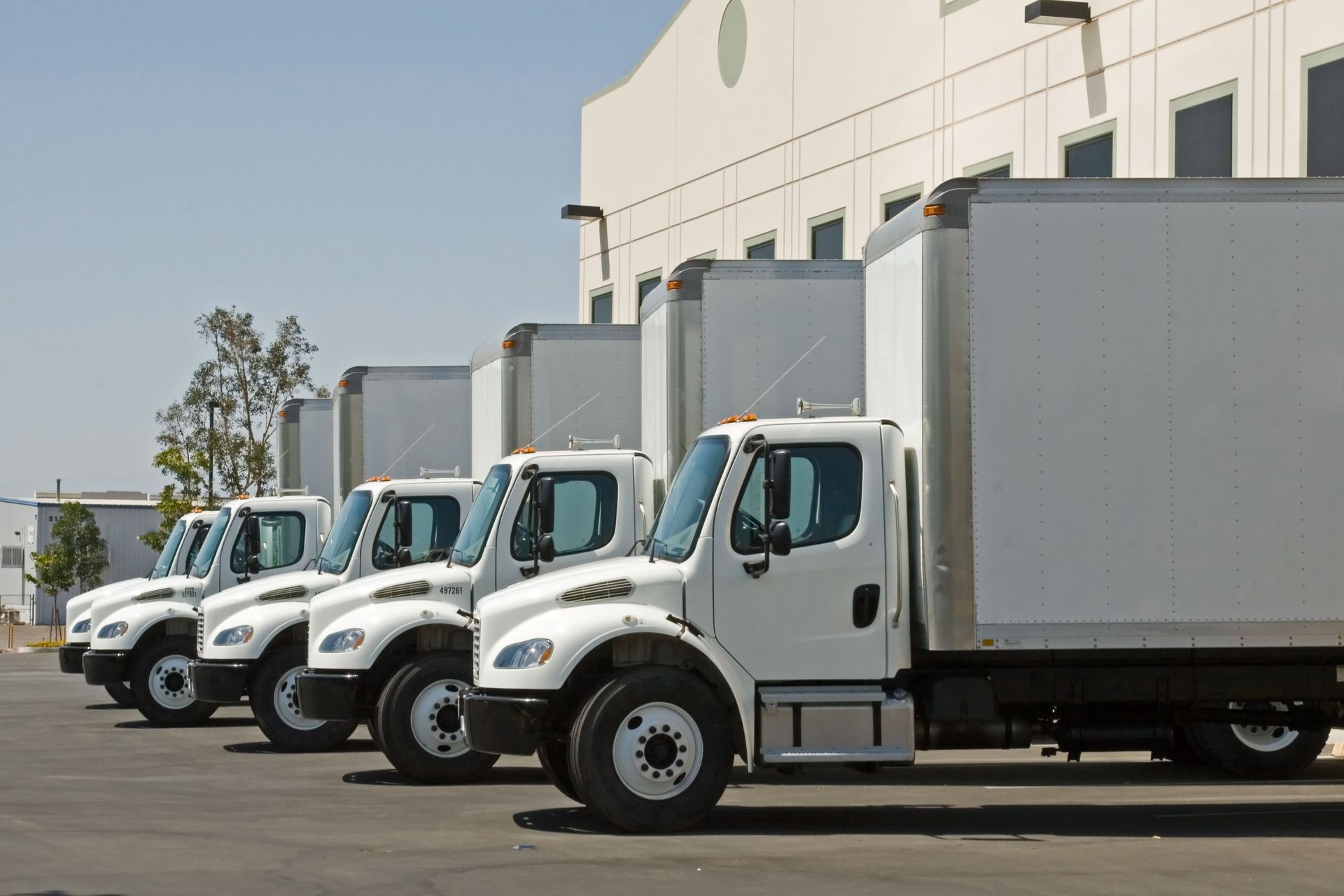
The commercial transport industry encompasses a wide variety of vehicles, from medium-duty delivery vans and box trucks to fully loaded tractor-trailers and oversized haulers. Comprehensive roadside assistance networks must offer towing options tailored to each distinct vehicle class. Utilizing diverse towing fleets equipped with flatbeds, lowboys, and integrated heavy wreckers ensures that every type of commercial vehicle receives the exact support required during a breakdown. Having the right machinery ready for any vehicle category prevents unnecessary damage and accelerates recovery times. This versatility makes heavy transport the primary backbone of commercial road support services nationwide.
From clearing major highway incidents to transporting severely damaged rigs to professional service bays, towing remains the central pillar of commercial roadside assistance. Mobile mechanical fixes certainly have their place for minor issues, but heavy towing provides the essential safety net required when complex mechanical failures occur. Moving an immobile vehicle away from dangerous highway shoulders protects drivers, preserves valuable commercial equipment, and keeps traffic moving smoothly. For fleet managers and independent drivers facing unexpected mechanical failures on the road, turning to experienced professionals ensures your vehicle is handled properly. When your commercial rig needs dependable towing or comprehensive repairs, turn to A1 Diesel Truck Repair to get your vehicle back in peak condition. Call us today.